


Choosing reliable structural components for automotive, mechanical and intelligent equipment has long troubled countless engineering buyers. Most low-cost die casting products seem qualified on the surface, but they expose hidden defects such as uneven wall thickness, poor dimensional stability and insufficient corrosion resistance during long-term high-load operation. These neglected underlying problems often lead to equipment failure, increased maintenance costs and delayed production cycles, directly affecting the overall quality and service life of finished machinery. Selecting premium aluminum alloy die casting components with strict process control becomes the core solution to avoid unnecessary industrial risks.
Many purchasers only focus on unit price and appearance size when selecting die cast parts, ignoring material density, thermal deformation resistance and post-processing matching performance. Irregular internal pores, shrinkage cavities and sand holes inside ordinary castings cannot be detected by simple surface inspection. Once assembled into precision machinery, slight vibration and temperature changes will cause cracking, air leakage and precision deviation. Professional customized die casting products from experienced industrial casting enterprises adopt full-process quality testing, which fundamentally eliminates such invisible quality hazards that plague mass production.
Long-term outdoor and harsh working environments put extremely harsh requirements on aluminum die castings. Humid air, dust erosion, frequent temperature fluctuations and mechanical impact will accelerate aging and damage of ordinary cast parts. Unqualified aluminum alloy materials have weak oxidation resistance and low structural strength, resulting in frequent replacement of vulnerable parts. High-standard die casting aluminum parts integrate excellent weather resistance, pressure resistance and wear resistance, perfectly adapting to automobile chassis parts, new energy accessories, motor shells and various precision mechanical structures.
Dimensional accuracy deviation is another frequent hidden trouble in die casting processing. Mass-produced standard parts often cannot match customized assembly gaps, requiring secondary cutting, polishing and modification. Extra processing steps greatly prolong delivery time, raise labor costs and reduce assembly tightness and overall operation stability. Custom die casting services adopt precise mold opening and numerical control finishing, ensuring each product meets micron-level tolerance standards and realizes seamless docking with downstream assembly lines.
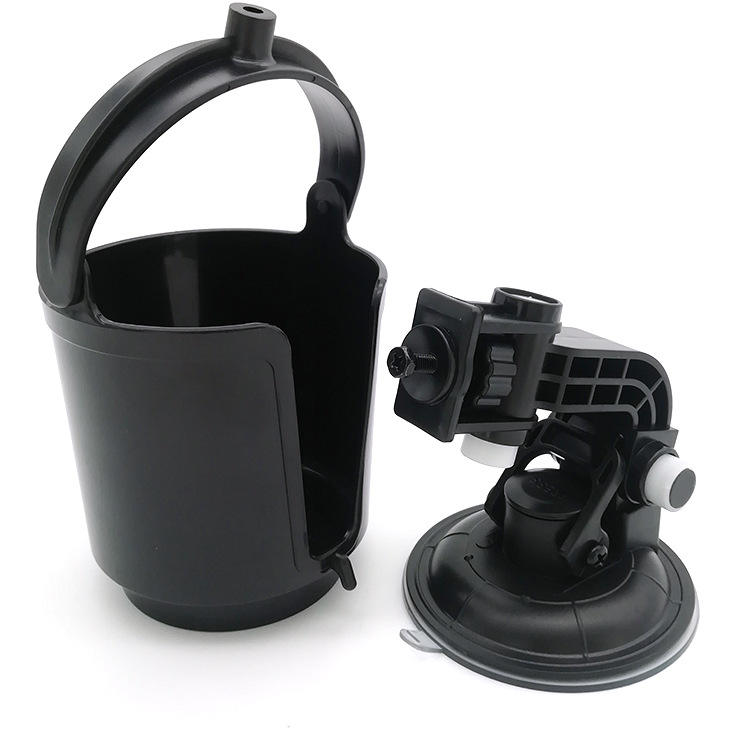
Surface treatment quality directly determines the service cycle and aesthetic performance of aluminum die castings. Inferior spraying, anodizing and passivation layers are easy to peel off, fade and rust in a short period. Exposed aluminum substrates are prone to chemical corrosion, destroying internal mechanical properties step by step. Standardized multi-layer surface protection technology forms a dense and stable protective film, maintaining stable appearance and structural performance under complex working conditions without frequent maintenance and replacement.
Performance Comparison of Ordinary Die Castings & High-Grade Precision Aluminum Die Cast Parts
| Performance Index | Ordinary Low-Quality Die Castings | Premium Precision Aluminum Alloy Die Cast Parts |
|---|---|---|
| Internal Structure | Many pores, shrinkage defects, loose material | Compact structure, zero obvious internal defects |
| Dimensional Tolerance | Large error, unstable batch size | Micron precision, consistent batch parameters |
| High Temperature Resistance | Easy deformation, softening at medium temperature | Stable structure, no deformation under continuous high temperature |
| Corrosion & Rust Resistance | Poor, easy oxidation in humid environment | Strong anti-corrosion, suitable for outdoor harsh conditions |
| Load Bearing Capacity | Low strength, easy fracture under high pressure | High tensile strength, durable high-intensity operation |
| Surface Smoothness | Rough surface, burrs remain | Smooth finish, no burr, direct assembly available |
Most engineering failures caused by die casting parts are not sudden accidents, but gradual deterioration caused by accumulated hidden quality problems. Blind pursuit of low purchase prices will bring higher later maintenance costs, equipment downtime losses and after-sales disputes. Aluminum alloy die casting parts with mature technology and strict quality control can reduce overall operating costs for enterprises in the whole life cycle.
Reasonable material ratio directly determines the comprehensive performance of die cast aluminum products. Reasonable proportion of aluminum, silicon, magnesium and other alloy elements balances casting fluidity, structural rigidity and processing performance. Unreasonable formula will lead to brittle materials, difficult mold filling and unqualified finished product yield, affecting continuous mass supply stability. Professional manufacturers optimize alloy formulas according to actual application scenarios, matching different strength, weight and environmental adaptation requirements.
Mold precision and molding process decide the consistency of batch products. Backward mold technology causes uneven product thickness, unstable stress distribution and easy deformation during use. Advanced pressure die casting processes realize rapid prototyping, uniform material filling and stable internal stress distribution, ensuring thousands of finished products maintain identical quality standards.
In practical application scenarios including new energy vehicles, intelligent machinery, industrial automation and communication equipment, lightweight and high-strength aluminum die cast parts have irreplaceable advantages. Compared with iron and steel parts, aluminum alloy castings effectively reduce overall equipment weight, optimize energy consumption and improve operation flexibility, while maintaining enough structural safety to meet industrial safety specifications.
To sum up, selecting die casting components cannot only focus on superficial parameters and quotation differences. It is necessary to pay attention to internal material quality, processing technology, environmental adaptability and whole-life service performance. Professional customized precision aluminum die cast parts solve mainstream pain points and deep hidden problems in industrial production, becoming reliable supporting parts for high-quality manufacturing upgrading.